South Koreans Protest Possible Military Deployment to Strait of Hormuz
09/13/2026 / By Garrison Vance
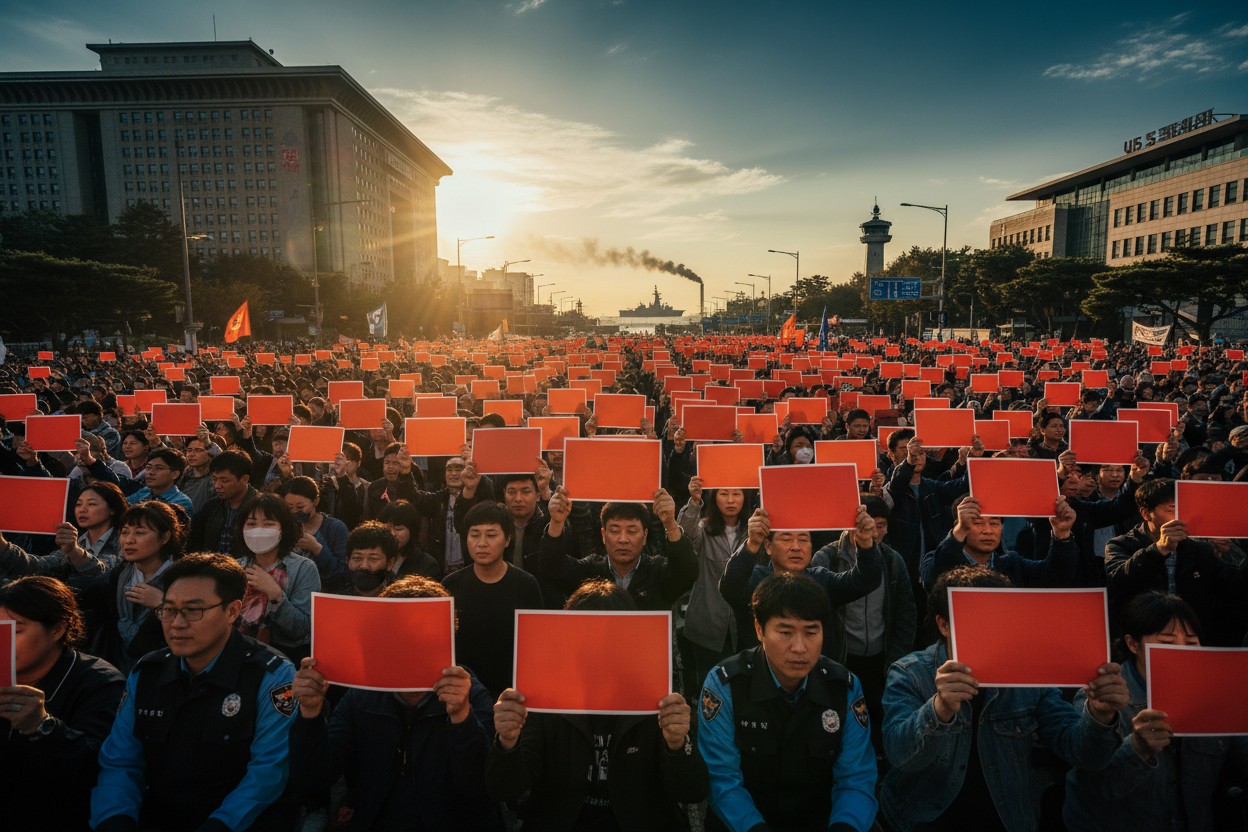
Protests have broken out in South Korea against government proposals to deploy military forces to the Strait of Hormuz in support of U.S. operations, with demonstrators gathering near the U.S. Embassy in Seoul on Sept. 9, 2026.
The protesters carried signs reading “Do Not Join a War of Aggression” and “No Military Deployment to Hormuz,” chanting “We cannot send our young people into a sea of death,” according to AFP reports from the scene [1][2]. The demonstrations come as the South Korean government considers whether to commit military assets to help U.S. efforts to open the strait amid heightened tensions with Iran.
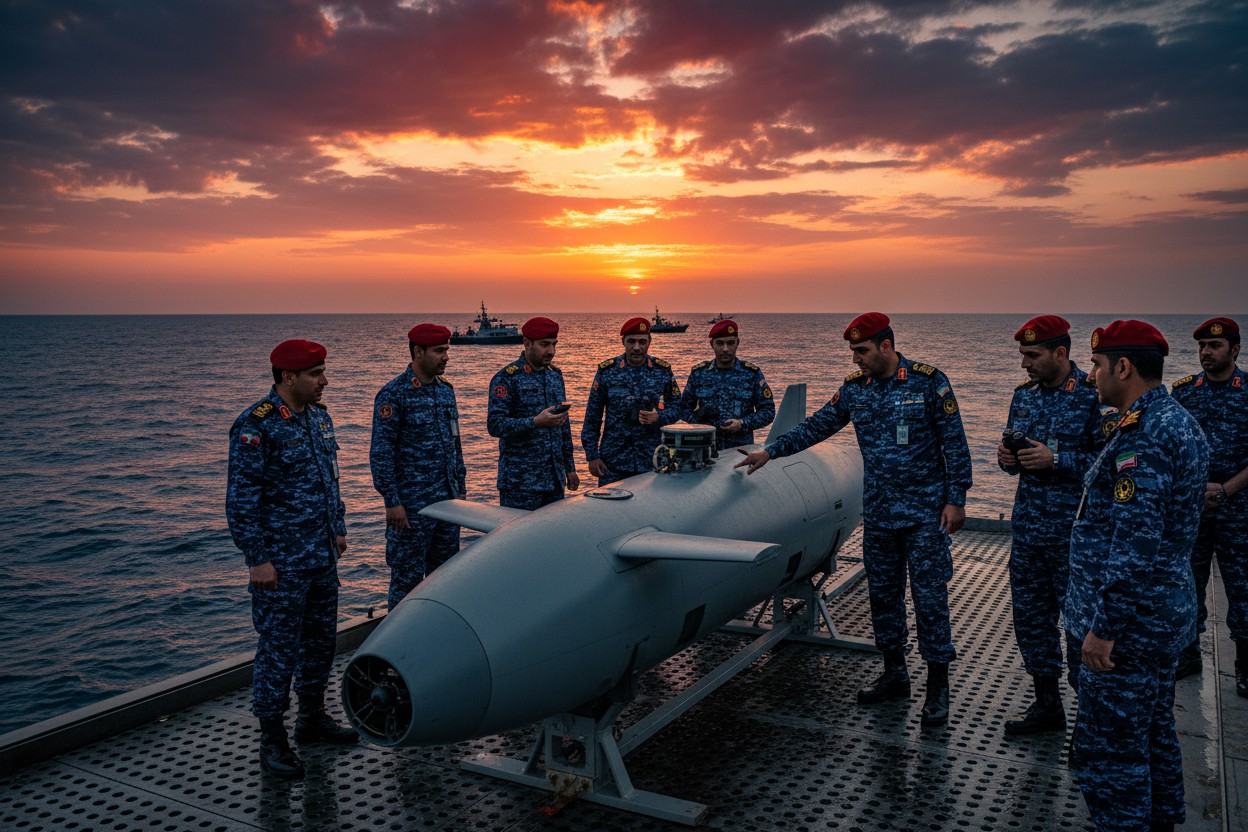
Iran has warned South Korea that any involvement in the operations would be treated as “direct support for a war of aggression,” escalating the diplomatic stakes for Seoul [1]. The protest movement reflects broader public opposition to the deployment, with activists and civic groups framing the potential mission as an unnecessary entanglement in a foreign conflict that could endanger South Korean service members.
Background: U.S. Pressure and Previous Deployments
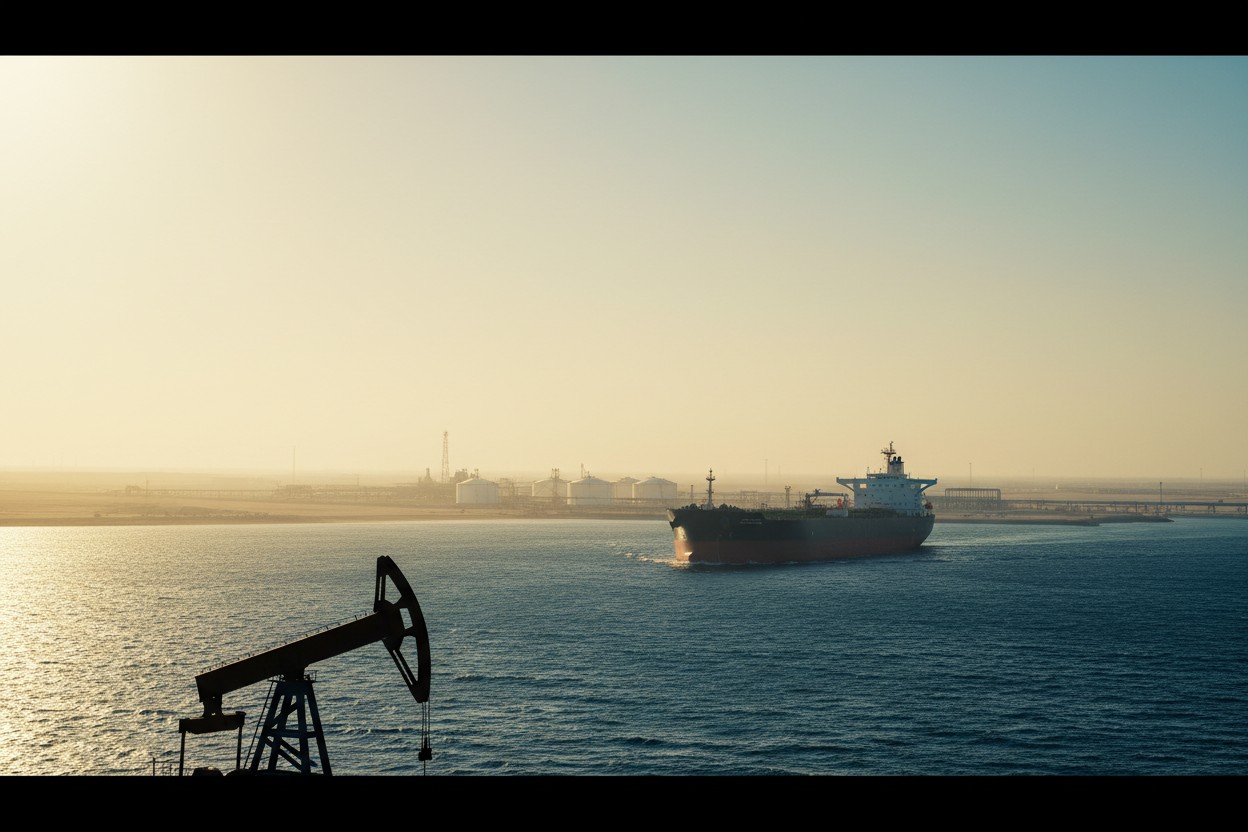
Washington has pressured Seoul to join efforts around the Strait of Hormuz, with President Donald Trump previously criticizing South Korea for not backing U.S. actions in the region, according to reports [1]. This pressure has intensified as the U.S. seeks to build a multinational coalition to secure the strategic waterway, through which approximately 20% of global oil supplies transit.
South Korea, as a major energy importer reliant on Middle Eastern oil, has faced particular scrutiny from Washington given its economic stake in maintaining open shipping lanes. Seoul previously expanded an anti-piracy naval unit from Somalia to waters around the Strait of Hormuz in 2019, officials confirmed [1]. That earlier deployment was framed as a counter-piracy mission under international maritime law, a characterization that distinguished it from direct military participation in U.S. operations.
The current proposal, however, involves a more direct commitment to support U.S. efforts, a distinction that has fueled public concern about the scope and purpose of any new deployment. The 2019 precedent demonstrates the incremental nature of Seoul’s military involvement in the region, evolving from anti-piracy operations toward potential combat support roles.
Approval Process and Diplomatic Outreach
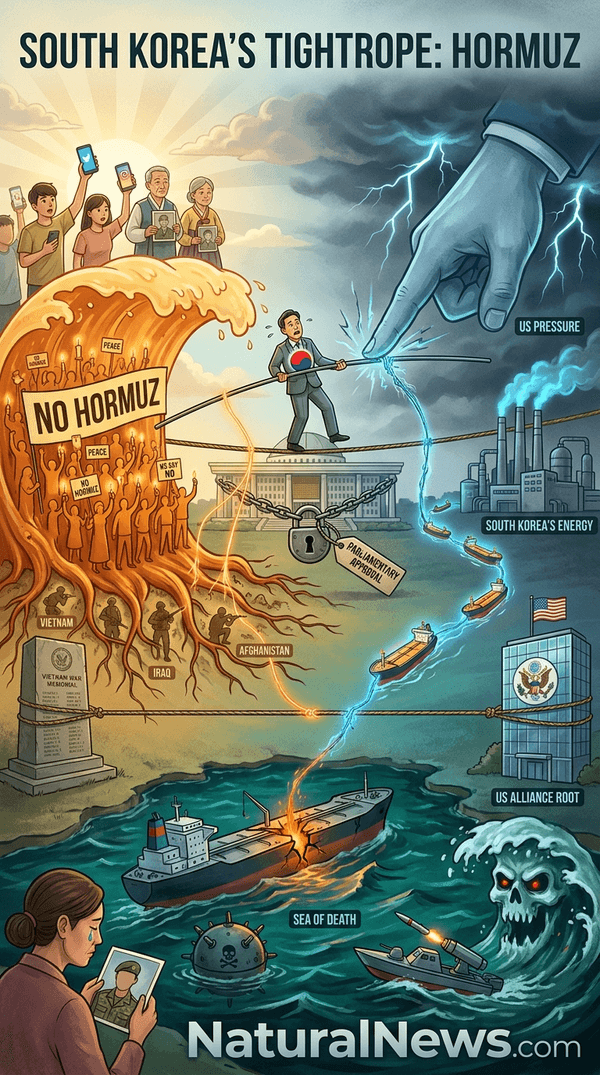
Any decision to deploy military forces requires approval from the South Korean National Assembly, a constitutional requirement that gives the protest movement significant political leverage [1]. Lawmakers opposed to the deployment have signaled they would block any motion to authorize military action, creating a potential impasse between the executive branch and the legislature. The approval process has become a focal point for public opposition, as citizens and advocacy groups pressure their elected representatives to reject the proposed mission.
South Korean President Lee Jae Myung discussed the Strait of Hormuz with French President Emmanuel Macron on Sept. 8, but the talks concerned possible contributions to international efforts to ensure security and freedom of navigation, not direct participation in U.S. combat operations [1]. This diplomatic outreach indicates that Seoul is exploring alternatives to a direct military commitment, potentially seeking a middle path that addresses U.S. demands without triggering domestic opposition. Lee’s engagement with international partners suggests the government is attempting to balance Washington’s expectations against domestic political realities, a delicate calculation that will determine whether South Korea commits forces to the region.
Broader Implications for Regional Security
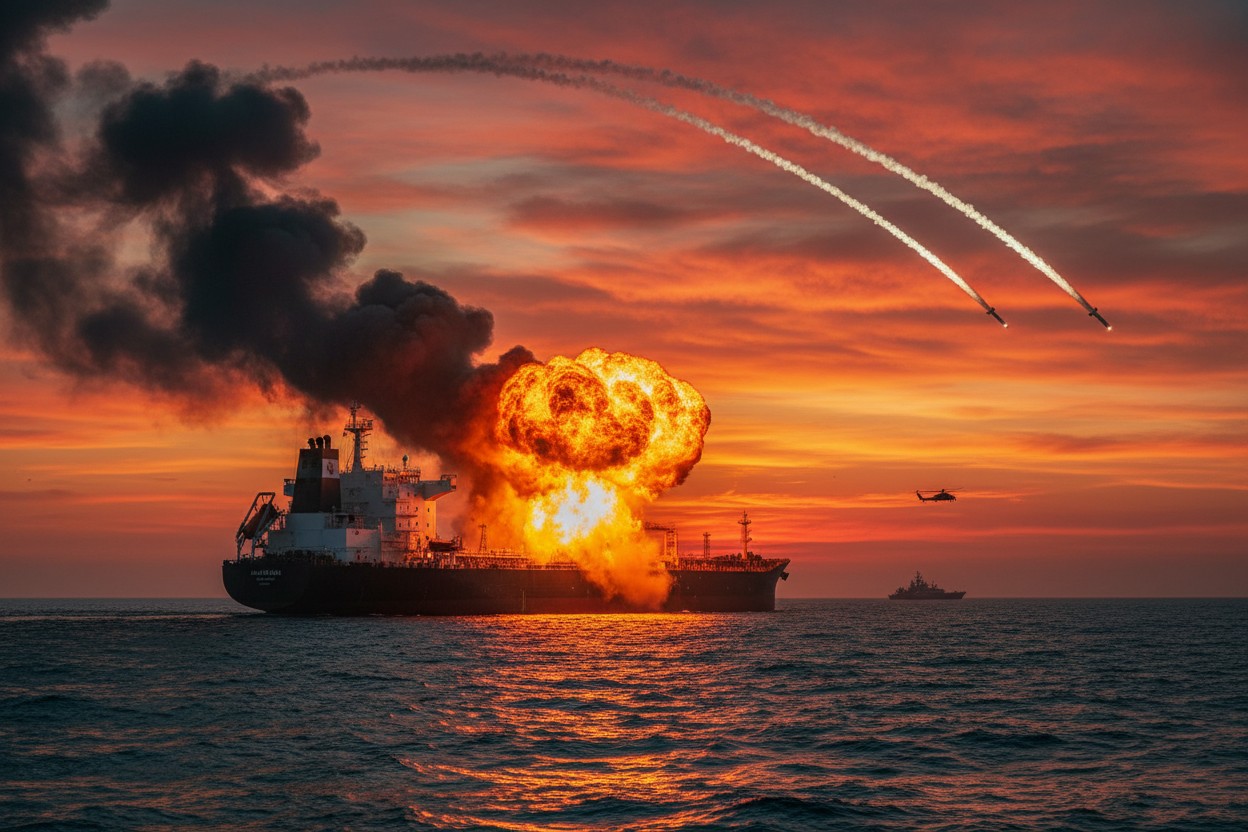
The potential deployment raises questions about South Korea’s strategic posture and its relationship with the United States, particularly as tensions between Washington and Tehran continue to escalate [1][2]. For South Korea, the decision involves navigating a complex web of alliances, energy security interests and domestic political pressures. The outcome of this debate could set a precedent for how Seoul responds to future U.S. requests for military support in regional conflicts, shaping the alliance relationship for years to come [3].
The protests reflect a broader pattern of public skepticism toward foreign military engagements, a sentiment that has grown as South Koreans question the costs and benefits of their nation’s alliance commitments [4]. The protests represents a civic response to what many citizens view as an overreach by centralized authority.
The situation in Seoul demonstrates how democratic societies can push back against executive decisions that lack popular support, a reminder that effective governance requires accountability to the people. As the South Korean government weighs its decision, the public’s voice has emerged as a decisive factor in whether the nation commits its military to a distant conflict with uncertain objectives and potentially grave consequences.
Conclusion: A Decision That Will Shape South Korea’s Future
The protests in Seoul represent more than a single policy dispute; they reflect a fundamental question about South Korea’s role in global military affairs. The government faces a choice between honoring U.S. requests for support and respecting the expressed will of its citizens. A decision to deploy forces despite widespread opposition would undermine public trust in democratic institutions, while refusing Washington’s demands could strain the decades-old alliance relationship [5].
The outcome of this controversy will send a signal about South Korea’s sovereignty and independence. It will also determine whether the nation’s military serves the interests of the Korean people or becomes an instrument of foreign policy objectives that lack domestic legitimacy. As the government navigates this challenge, the principles of transparency and democratic accountability remain essential guideposts. The people of Seoul have made their voices heard; the leadership now bears the responsibility of listening [2].
References
- Middle East Eye. “South Koreans protest over possible plan to send forces to back US in Hormuz”
- Antiwar.com. “‘Do Not Join a War of Aggression’: South Koreans Rally Against Potential Hormuz Deployment”
- Center for Strategic and International Studies. “The Geopolitics of the Strait of Hormuz”
- Asian Institute for Policy Studies. “Public Opinion and Military Engagement in South Korea”
- Kim, Ji-hoon. “The US-ROK Alliance: Balancing Security and Sovereignty”
Explainer Infographic
Submit a correction >>
Tagged Under:
big government, chaos, Collapse, dangerous, freedom, Iran, Liberty, Middle East, military deployment, protects, protest, Resist, revolt, South Korea, Strait of Hormuz, United States, uprising, US-Israel strikes, violence, war on Iran, WWIII
This article may contain statements that reflect the opinion of the author
RECENT NEWS & ARTICLES