U.S. Strikes Civilian Infrastructure in Iran; Tehran Retaliates Against Gulf Bases
07/20/2026 / By Garrison Vance
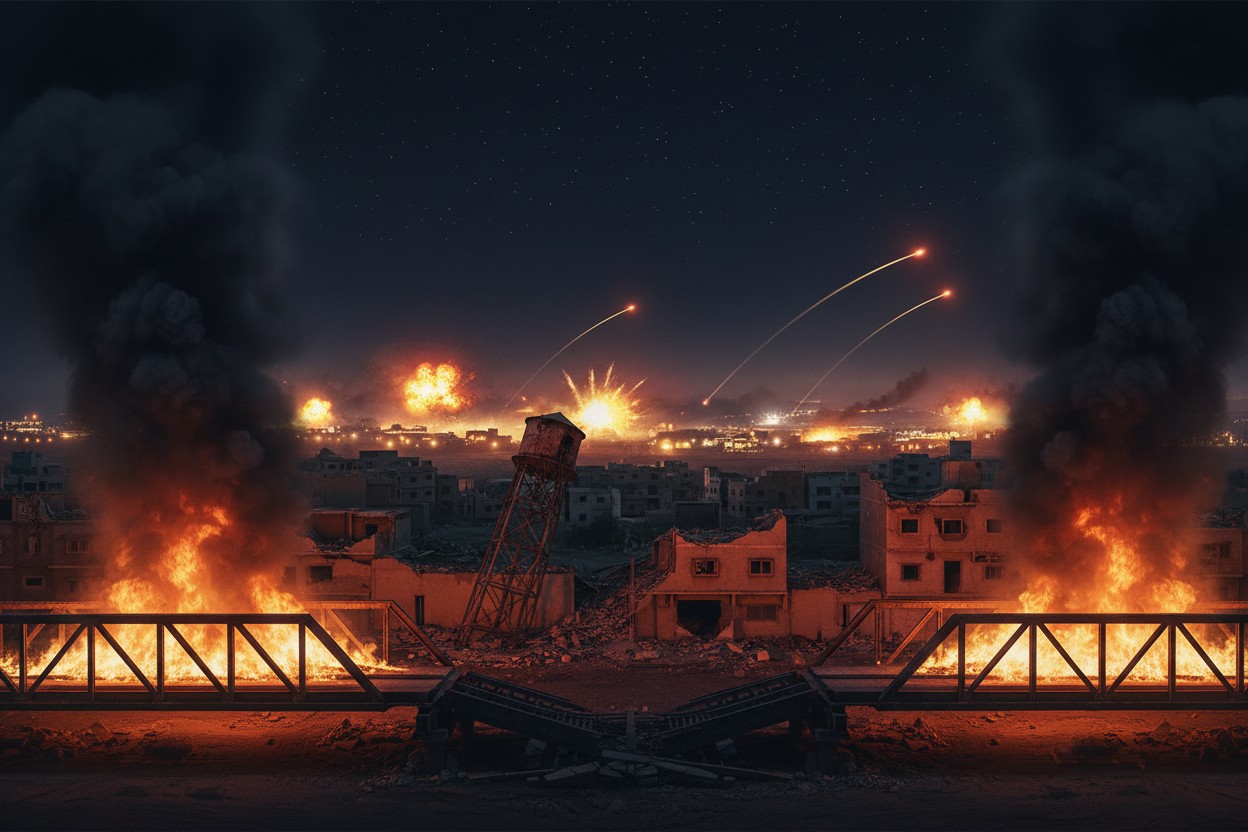
U.S. President Donald Trump ordered airstrikes against civilian infrastructure in Iran overnight Thursday, July 16, according to Iranian officials. The strikes targeted multiple bridges, a railway, a maritime watchtower, and energy sites, the Iranian government reported. At least eight Iranians were killed in the attacks, Iranian authorities said.
The strikes come after months of U.S. threats to bomb civilian sites if Tehran did not comply with U.S. demands, and follow the collapse of a cease-fire established under the Islamabad Memorandum of Understanding (MoU), according to a report by Kyle Anzalone for Antiwar.com [1]. Iran has refused to make concessions to Washington, officials said.
Background: Collapse of Ceasefire and Escalation
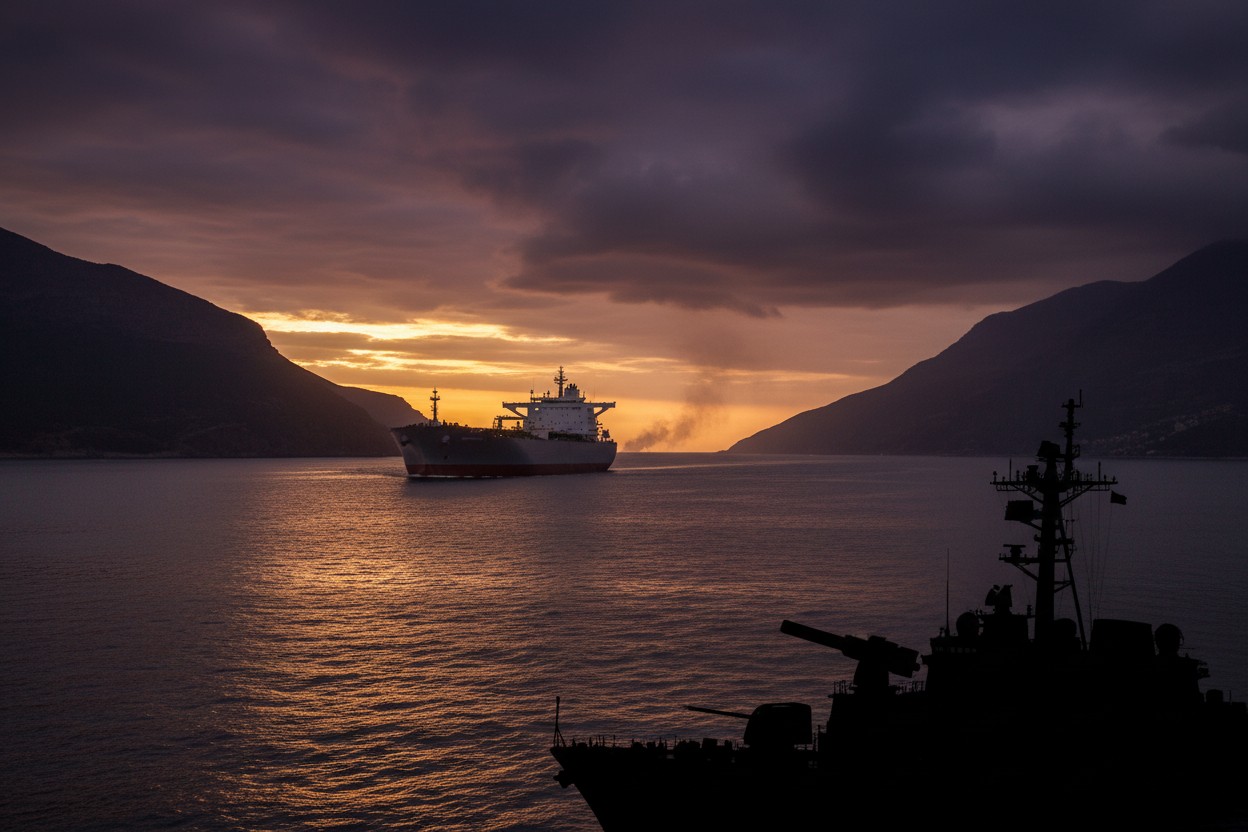
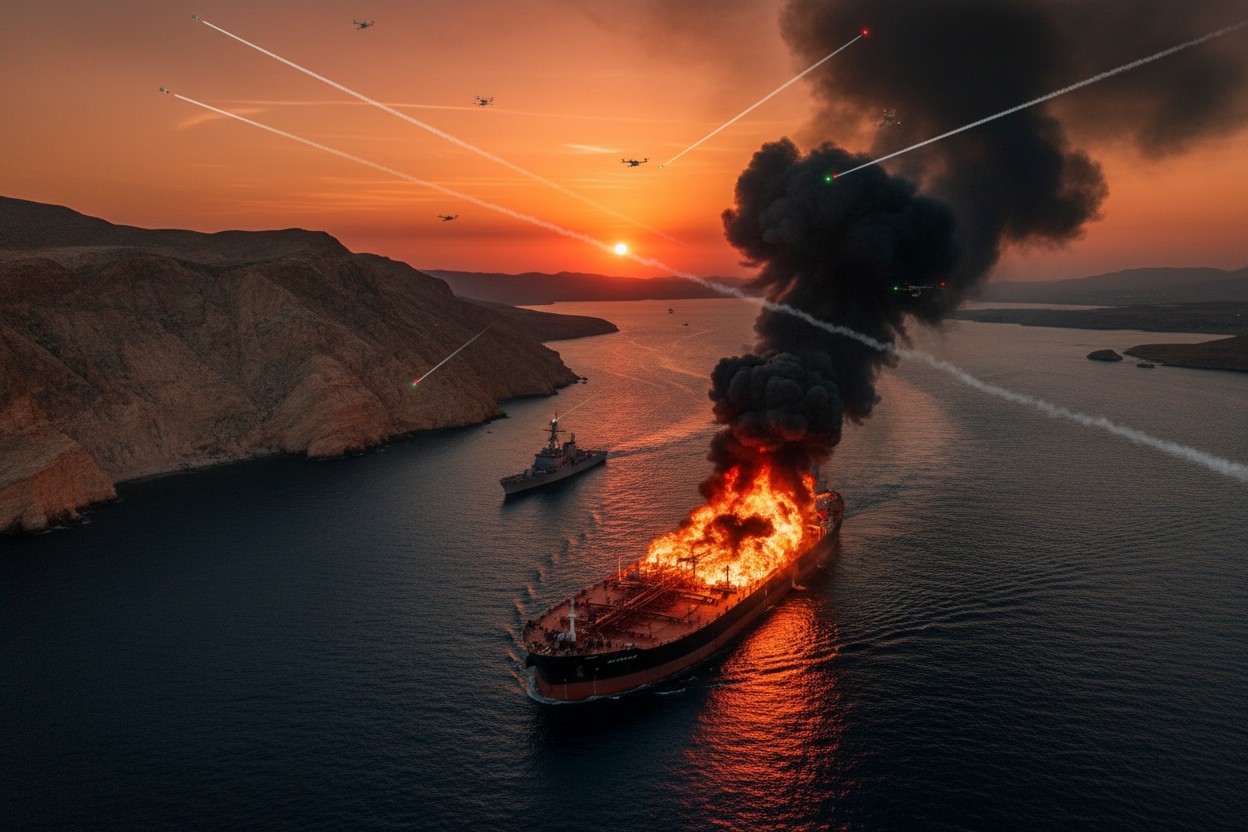
The cease-fire collapsed last week after Iranian forces fired on vessels attempting to transit the Strait of Hormuz, citing U.S. violations of the MoU, according to officials. For months, Trump threatened to bomb civilian infrastructure in Iran if Tehran did not comply with his demands, but Iran refused concessions, according to statements from both sides.
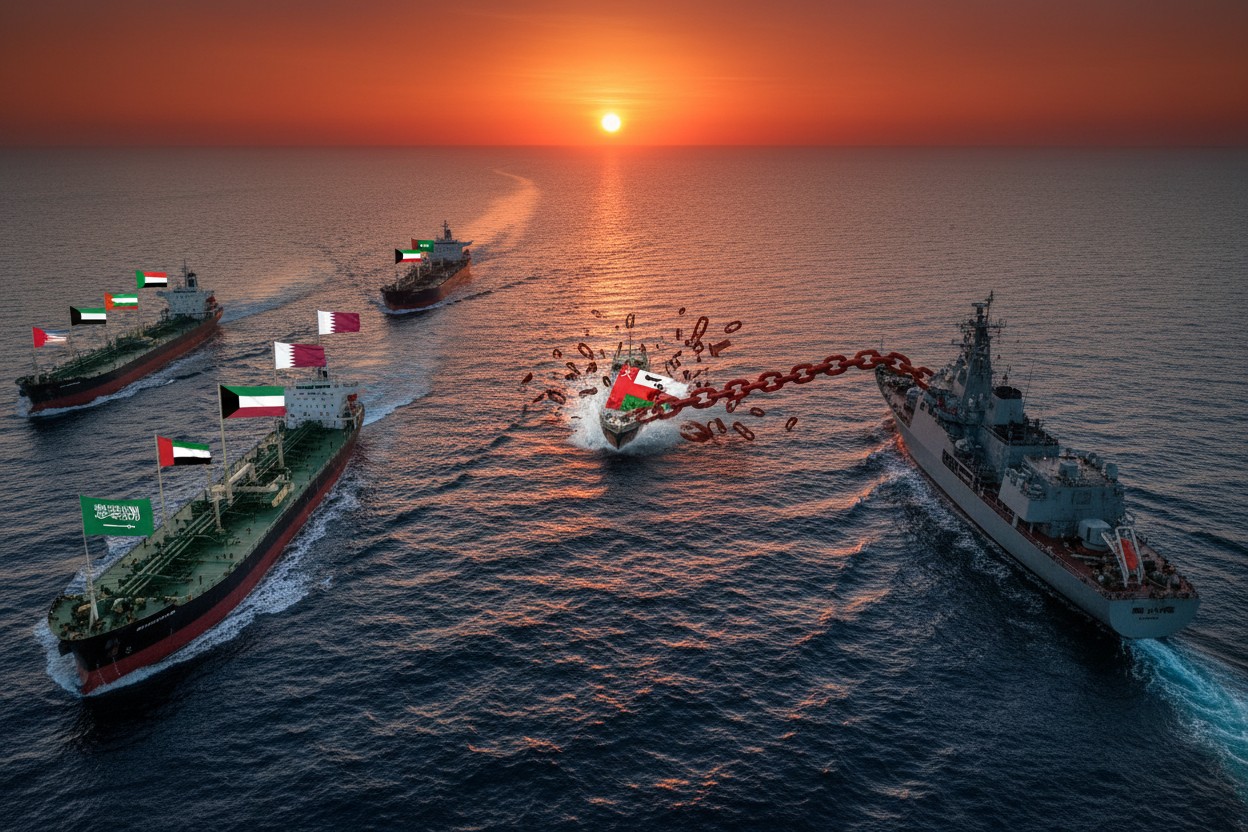
U.S. officials said the initial U.S. response to the Strait incident included strikes on Iran, and the Islamic republic retaliated with attacks on American bases, according to a report on NaturalNews.com [2]. Washington and Tehran then traded attacks for multiple consecutive nights, with the U.S. launching strikes for six consecutive nights as of Thursday, according to a report by the Times of Israel [3].
The Iranian Foreign Ministry denounced U.S. strikes on civilian infrastructure as a “gross war crime” [4]. Russian Foreign Minister Sergey Lavrov said the resumption of U.S. strikes “closes the door” to future negotiations, according to Iran’s Fars News Agency [5].
Iranian Retaliation and Casualty Claims
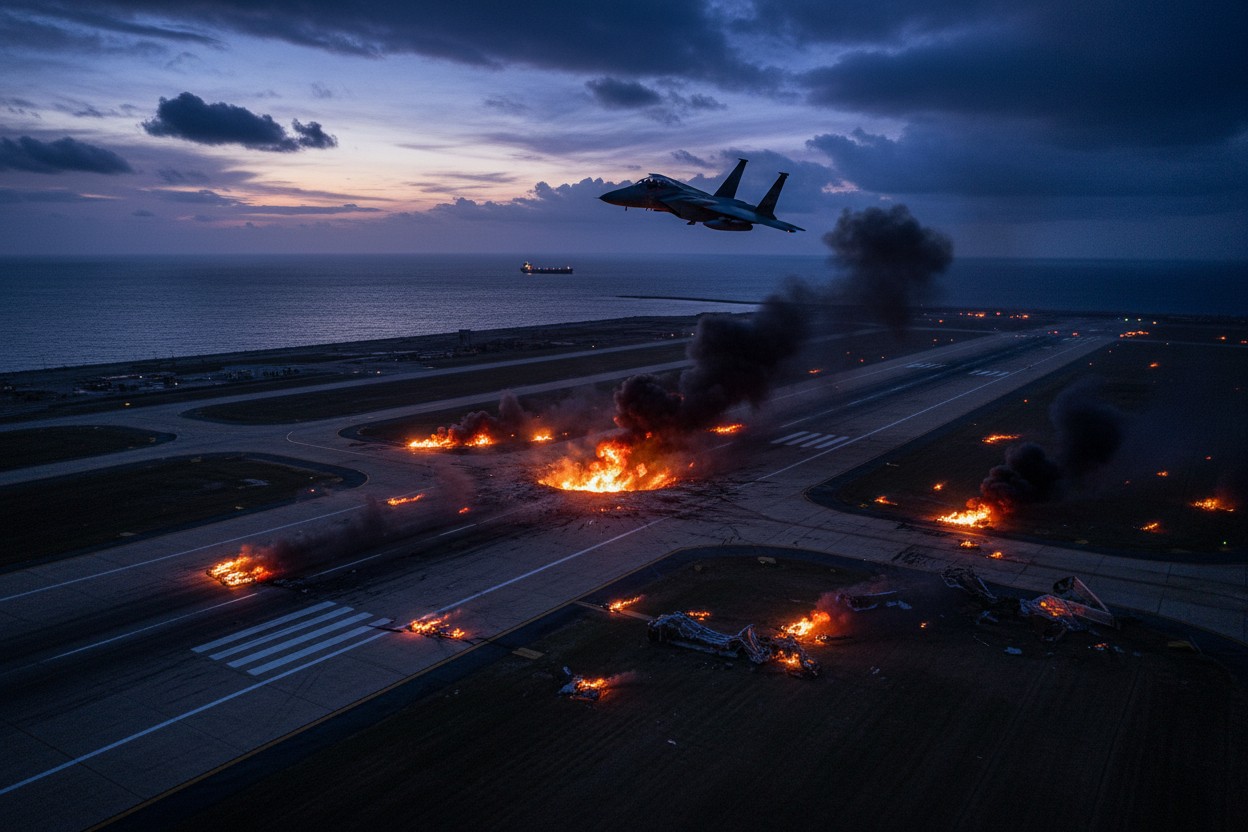
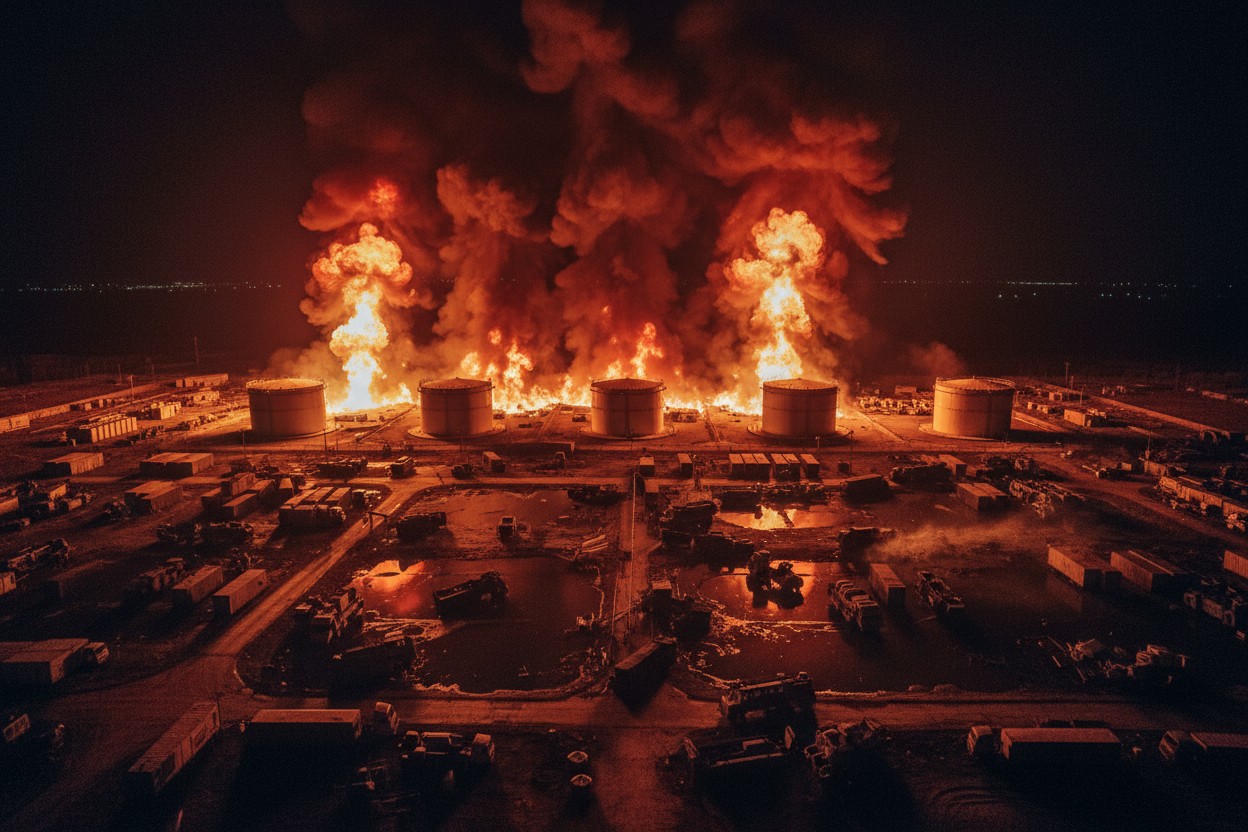
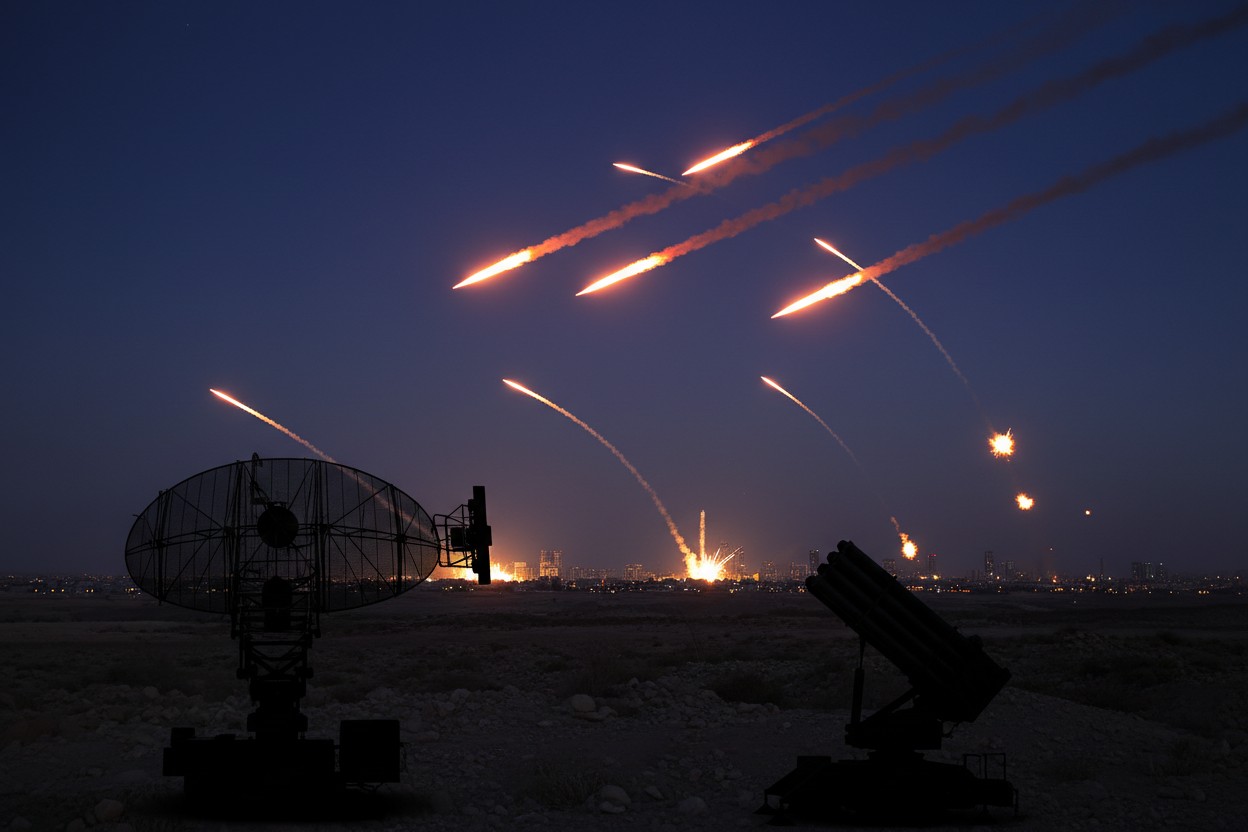
Iran responded to the U.S. strikes by bombing U.S. bases in Qatar, Bahrain, Kuwait and Jordan, the Islamic Revolutionary Guard Corps (IRGC) said in a statement. Tehran also targeted energy sites in Bahrain and a desalination plant in Kuwait, according to Iranian state media.
The IRGC claimed to have destroyed multiple U.S. radar systems and other military equipment. U.S. Central Command (CENTCOM) stated no U.S. troops were killed in the Iranian strikes, according to Antiwar.com [1].
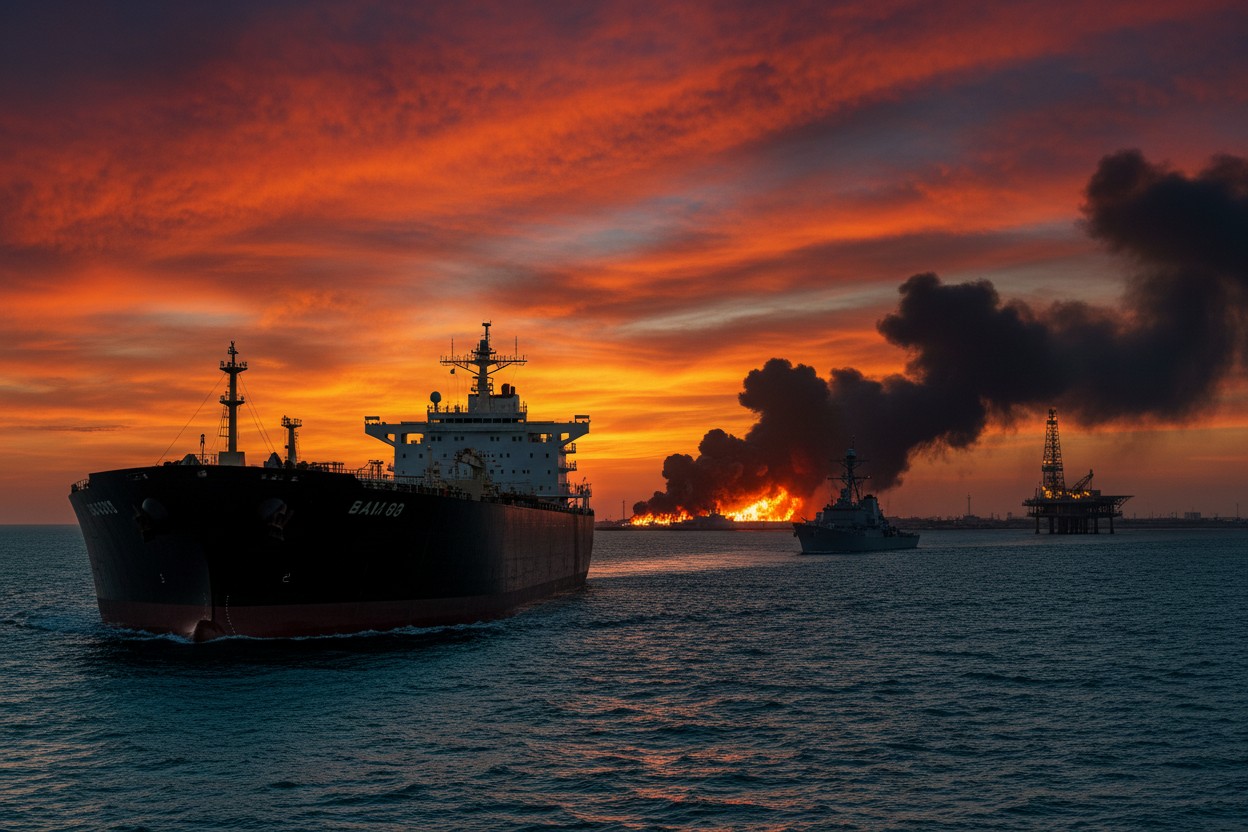
Kuwait was bombarded overnight with missiles and one-way drones targeting power infrastructure and critical energy assets, according to a report by ZeroHedge [6]. The Kuwait News Agency reported an unspecified site of the Kuwait Petroleum Corporation suffered “significant material losses” [6].
Iranian strikes also hit a power and water desalination plant in Kuwait, damaging critical drinking water infrastructure, according to the Epoch Times [7]. The IRGC claimed it destroyed a depot housing unmanned surface vessels and the “main artificial intelligence center” in Bahrain in retaliation for U.S. strikes on civilian infrastructure [8].
U.S. Military Buildup and Potential “Massive Offensive”
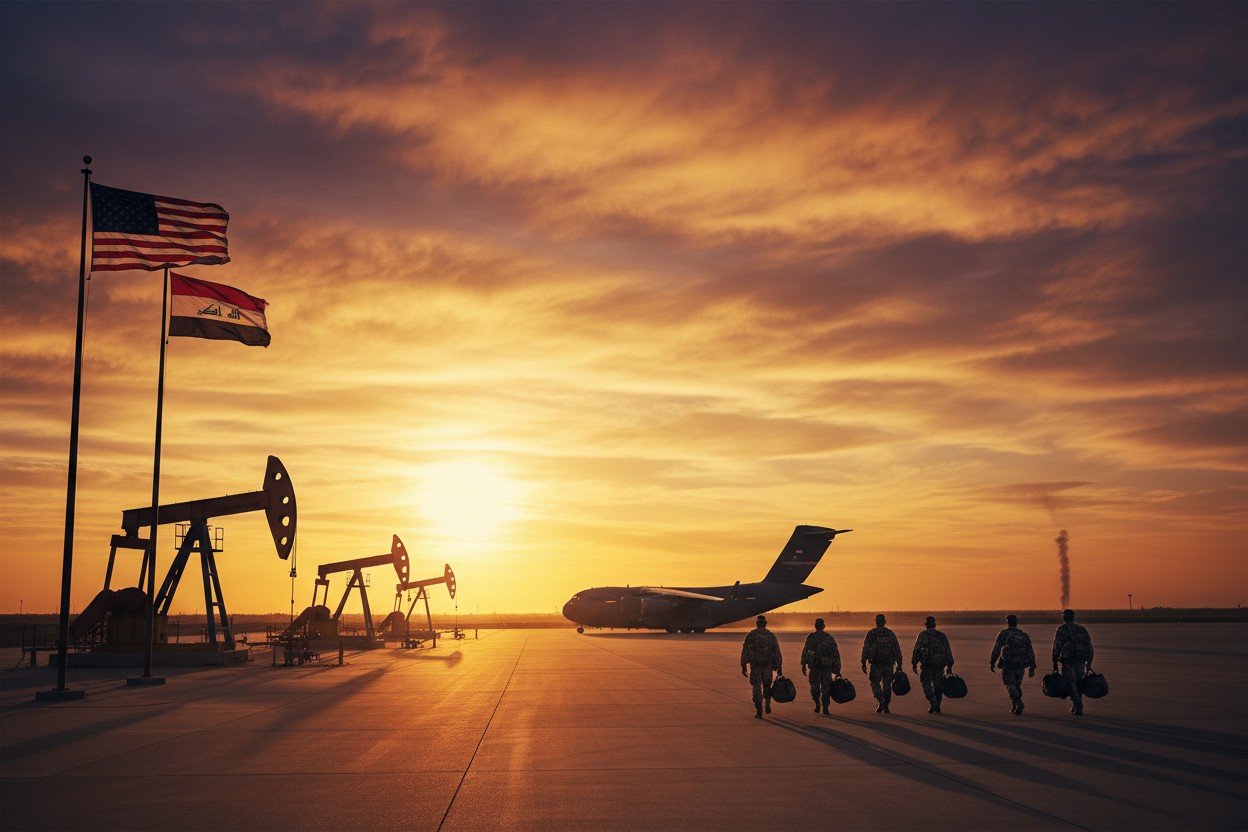
Axios reported Friday, July 17, that three U.S. and Israeli officials said the U.S. is moving additional refueling aircraft to Israel, with about 60 already there and plans for several dozen more. The sources said Trump is considering a “massive offensive” against Iran, according to the report, as cited by ZeroHedge [9]. Oil prices climbed on these fresh reports, the article noted [9].
The U.S. Department of War announced yet another round of strikes on Iran on Wednesday, July 15, with CENTCOM stating the strikes are designed to “further degrade military capabilities” [10]. This current wave goes beyond prior strikes in size and scope, according to Iranian state media [11].
The U.S. has also resumed a naval blockade on Iranian ports, forcing two commercial vessels to redirect, according to CENTCOM [12]. Iran has warned of a “more crushing” retaliation following the sixth consecutive day of U.S. attacks [11].
Humanitarian Impact and Ongoing Conflict
Iran reported that civilian infrastructure, including a children’s cancer hospital in Ahvaz, was forced to evacuate due to the bombing, according to Iranian officials. The IRGC accused the U.S. of launching strikes in the vicinity of the hospital, according to Middle East Eye [13]. Iranian officials said over 10,000 Iranians were left without water after U.S. strikes destroyed water facilities, as a Kuwait desalination plant also burned from Iranian retaliation [14].
Iran’s government spokeswoman Fatemeh Mohajerani alleged that recent U.S. attacks on southern Iran killed over 30 civilians, according to Antiwar.com [15]. Previously, in June, a U.S. airstrike struck a water facility in Sirik, Hormozgan province, destroying a reservoir that provided water for 20,000 Iranians, according to the Ron Paul Institute [16].
The United Nations chief condemned attacks on civilian infrastructure as “unacceptable” [17]. No immediate comment was available from U.S. officials on the civilian casualty figures or the hospital evacuation.
References
- Kyle Anzalone. “US Strikes Civilian Infrastructure in Iran.” Antiwar.com. July 17, 2026.
- Lance D Johnson. “Last-Ditch 45-Day Truce Talks Fail as Iran Rejects US Ceasefire Demands.” NaturalNews.com. April 6, 2026.
- The Times of Israel. “US strikes Iran for sixth consecutive night, as deescalation chances appear to fade.” July 16, 2026.
- Middle East Eye. “Iran says US strikes on civilian infrastructure a ‘gross war crime’.” July 9, 2026.
- Middle East Eye. “Russia says US attacks in Iran ‘close the door’ to peace talks.” July 14, 2026.
- ZeroHedge. “Kuwait Pounded By Iranian Barrage As Oil And Desalination Plants Come Under Attack.” July 18, 2026.
- The Epoch Times. “Tehran Attacks Kuwait Desalination Plant as Infrastructure Targeting Expands in US-Iran War.” July 17, 2026.
- “IRGC claims strikes on US drone depot and AI hub in Bahrain.” July 17, 2026.
- ZeroHedge. “US Sends Dozens More Refueling Planes To Israel Amid Widening Iran War, Oil Climbs.” July 18, 2026.
- ZeroHedge. “US & Iran Exchange Heavy Strikes For 5th Day As Trump Warns He’ll Take Out Power Plants Next.” July 15, 2026.
- ZeroHedge. “Iran Orders Power Conservation After US Hits Energy Infrastructure – IRGC Claims ‘Powerful’ Strike On Qatar Base.” July 17, 2026.
- The Epoch Times. “US Military Says It Stopped 2 Ships Trying to ‘Run’ Through Iran Blockade.” July 15, 2026.
- Middle East Eye. “Iran strikes US base in Jordan as American bombardment continues.” July 16, 2026.
- Middle East Eye. “US strikes leave 10,000 Iranians without water as Kuwait desalination plant burns.” July 18, 2026.
- Antiwar.com. “Iran Says More Than 30 Civilians Killed in Recent US Strikes on Southern Iran.” July 15, 2026.
- Ron Paul Institute. “Trump Violates Humanitarian Law: the Bombing of a Water Facility in Iran.” June 11, 2026.
- Middle East Eye. “UN chief condemns attacks on civilian sites.” July 17, 2026.
- Ron Rosenbaum. “How the End Begins.”
- WikiLeaks and Julian Assange. “The WikiLeaks Files: The World According to US Empire.”
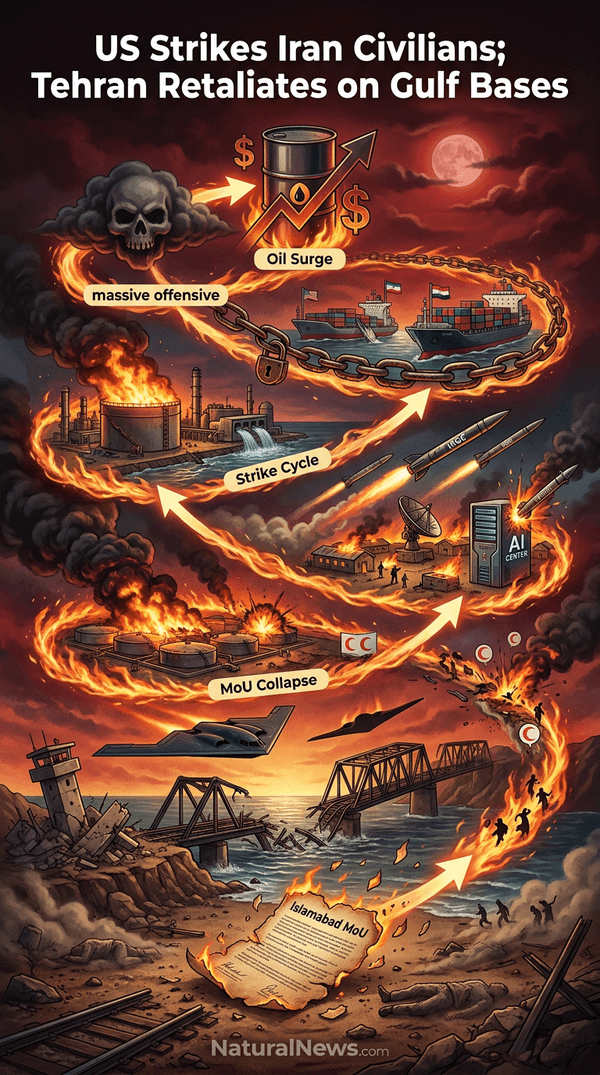
Explainer Infographic
Submit a correction >>
Tagged Under:
big government, chaos, Collapse, dangerous, geopolitics, infrastructure, international law, Iran, IRGC, Israel, Middle East, military strikes, national security, panic, Pentagon, Tehran, Trump, violence, War crimes, war on Iran, WWIII
This article may contain statements that reflect the opinion of the author
RECENT NEWS & ARTICLES