White House timeline of Iranian aggression omits key chapter on Taliban support
03/06/2026 / By Willow Tohi
- The Trump administration released a fact sheet detailing decades of Iranian aggression against Americans to justify recent U.S.-Israeli strikes, but it omitted Iran’s documented support for the Taliban in Afghanistan.
- The omission is significant because U.S. intelligence, military assessments and legal rulings have long confirmed Iran provided weapons, training and financial incentives to the Taliban for attacks on U.S. and NATO forces.
- Evidence includes reports of Iran paying bounties for dead Americans and a 2022 federal court opinion that found Iran supplied weapons like IEDs to the Taliban, directly facilitating attacks on U.S. troops.
- Analysts note that despite being ideological opponents, Iran and the Taliban shared the goal of expelling U.S. forces from the region, making this covert support a major chapter in the conflict.
- The selective history raises questions about the completeness of the administration’s public justification for military action and what past hostilities inform its current strategy against Iran.
In the wake of a major joint U.S.-Israeli military operation that killed Iran’s Supreme Leader and targeted its military infrastructure, the Trump administration released a detailed fact sheet cataloging nearly five decades of Iranian attacks on American citizens and soldiers. However, the document has drawn scrutiny for omitting a well-documented chapter: Iran’s covert support for the Taliban in targeting U.S. and NATO forces during the twenty-year war in Afghanistan.
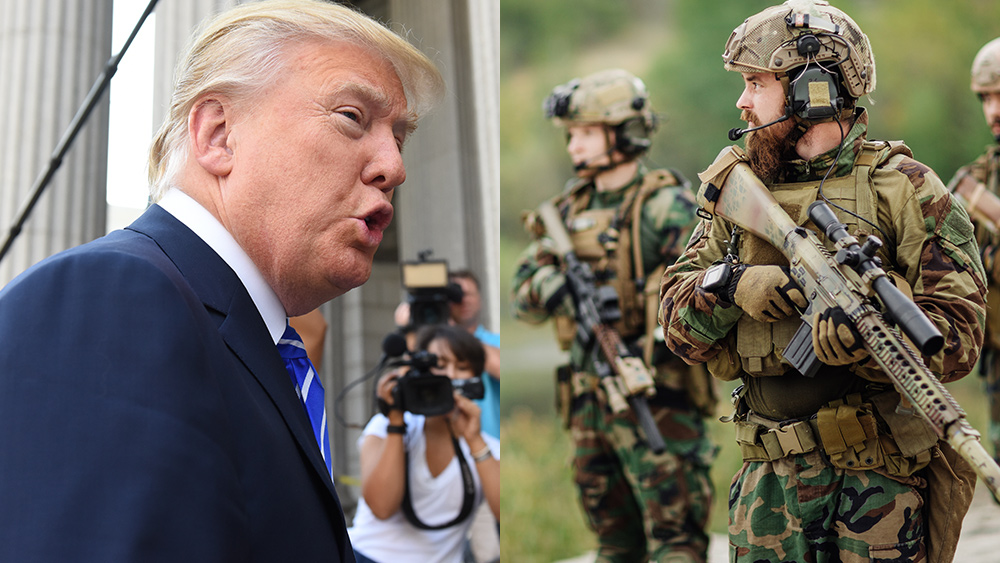
The White House publication, titled “The Iranian Regime’s Decades of Terrorism Against American Citizens,” was released this week as part of the administration’s justification for its recent strikes against Iran. It describes Iran as the world’s “leading state sponsor of terrorism” and lists dozens of incidents, from the 1979 hostage crisis in Tehran to recent attacks on U.S. bases in Iraq and Syria. President Donald Trump stated on Truth Social that the operation had “degraded Iran’s military capabilities” and eliminated a persistent threat.
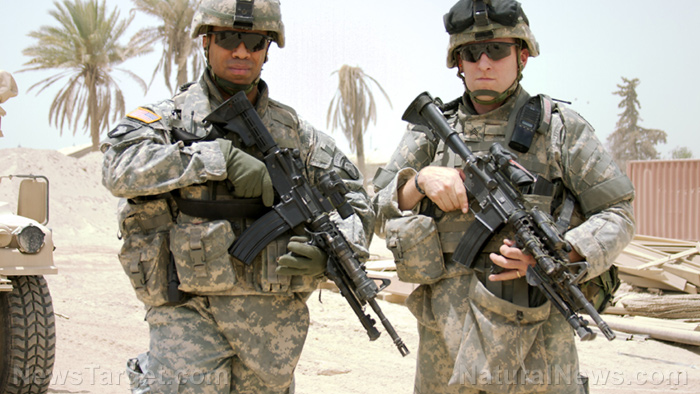
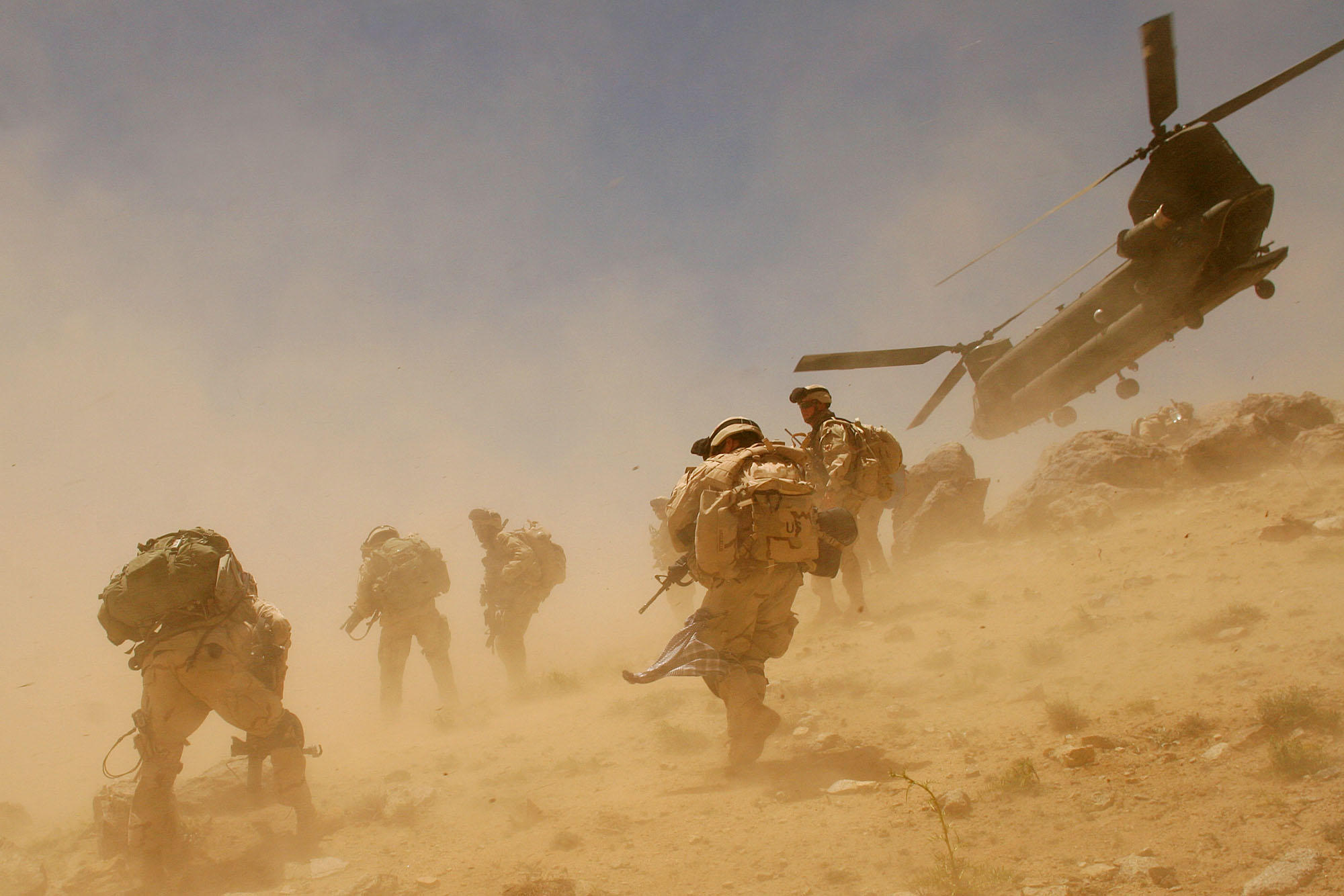
Yet, while the administration acknowledged the document presented “only a partial record,” analysts quickly noted the absence of any reference to Iran’s role in Afghanistan, where over 2,400 U.S. service members were killed. Extensive intelligence reporting, military assessments and judicial findings have long detailed Iran’s provision of weapons, training and financial incentives to the Taliban for attacks on American personnel.
A pattern of covert support
Evidence of Iranian collaboration with Afghan insurgents dates to the early years of the U.S. invasion. In 2009, then-Director of National Intelligence Dennis Blair testified that Iran was “covertly supplying arms to Afghan insurgents while publicly posing as supportive of the Afghan government.” Shipments included small arms, rockets, mortars and explosives. A 2010 Defense Intelligence Agency report stated that Iran’s Islamic Revolutionary Guard Corps (IRGC) had provided “lethal support” to the Taliban since at least 2006, including 107mm rockets and training on advanced weapon systems like man-portable air-defense systems (MANPADS).
Perhaps most provocatively, multiple reports indicated Iran offered bounties for dead Americans. Intelligence assessments cited by the Foundation for Defense of Democracies and later by CNN described payments to Taliban-linked networks for successful attacks. A 2020 Pentagon briefing document noted Iran reimbursed the Haqqani Network for at least six attacks in 2019, including a suicide bombing near Bagram Air Base that wounded U.S. personnel.
Legal and military confirmations
The support was not merely alleged but affirmed in U.S. legal proceedings. In a 2022 opinion, U.S. District Judge John Bates concluded that Iran had provided “weapons, training, financial support and safe haven” to a terrorist syndicate that included the Taliban and al-Qaeda, facilitating attacks on U.S. troops. The judge detailed how IRGC-provided weapons, including improvised explosive devices (IEDs) and machine guns, were disseminated to Taliban commanders for use against coalition forces.
Senior military commanders also consistently highlighted the threat. In 2017, General John Nicholson, then-commander of U.S. forces in Afghanistan, testified that “Iran is providing support to the Taliban.” The Treasury Department sanctioned IRGC officers for training Taliban fighters at Iranian camps and supplying explosives.
Why the omission matters now
The exclusion of this history is striking given the current context. The White House fact sheet emphasizes Iranian proxy attacks in Iraq, Lebanon and Gaza but leaves out a theater where U.S. casualties were high and Iranian involvement was systematically documented. When asked about the omission, White House spokesperson Anna Kelly told Just the News that the president was “taking decisive action to eliminate all of these threats,” but did not address the Afghan chapter specifically.
Historically, the relationship was complex. Iran and the Taliban, ideological opponents, found common cause in expelling U.S. forces from the region. As Bill Roggio, senior editor of the Long War Journal, noted on social media, “Iran found common ground with the Taliban, Al-Qaeda, & other groups as they all wanted to kill & wound U.S. servicemen… Iran achieved its primary goal – force the U.S. to leave.”
The administration’s selective timeline raises questions about the comprehensiveness of its public justification for military action and what historical precedents inform its current strategy. As tensions with Iran enter a new and volatile phase, the full scope of past hostilities—including those waged through proxies in Afghanistan—remains a relevant backdrop for understanding the enduring threat.
Sources for this article include:
Submit a correction >>
Tagged Under:
chaos, dangerous, military tech, national security, suppressed, taliban, terrorism, Trump, violence, weapons tech, WWIII
This article may contain statements that reflect the opinion of the author
RECENT NEWS & ARTICLES