U.S. vows no change in Syria after a deadly attack kills three Americans
12/20/2025 / By Zoey Sky
- After an attack in Syria killed three Americans, the U.S. Department of War confirmed that no troops would be withdrawn. About 1,000 soldiers remain to fight ISIS, despite the increasing dangers.
- The attacker was a member of the Syrian government’s security forces, not directly ISIS. He was a former ISIS fighter, showing how messy and shifting loyalties are in the region.
- The U.S. now partners with Syria’s new government, led by President Ahmed al-Sharaa. His administration has ties to al-Qaeda and is infiltrated by former ISIS members, making the alliance risky and untrustworthy.
- ISIS remains a serious threat, carrying out attacks even after losing its territory. The U.S. mission continues primarily to counter this threat, creating a paradox where they work with forces linked to extremism.
- The conflict has entered a darker stage with unclear allies, enemies within allied forces and constant risk for U.S. troops. There is no clear end in sight, and the mission is now more convoluted and perilous than before.
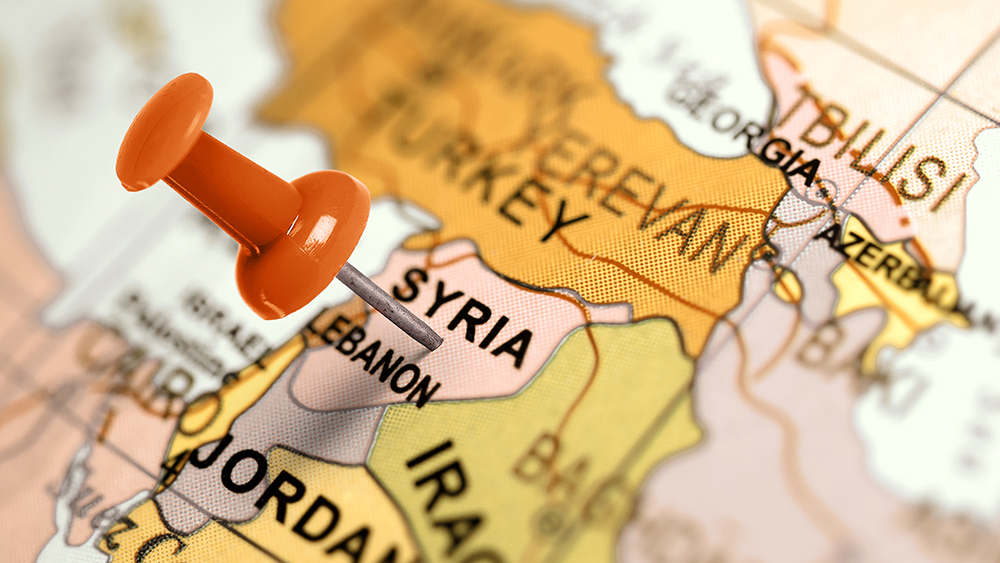
In the wake of a recent attack in central Syria that killed three Americans, the Department of War has stated there are no planned changes to the American military footprint in the war-torn country. The declaration underscores a commitment to a risky and complex mission even as the threat environment grows more tangled and dangerous.
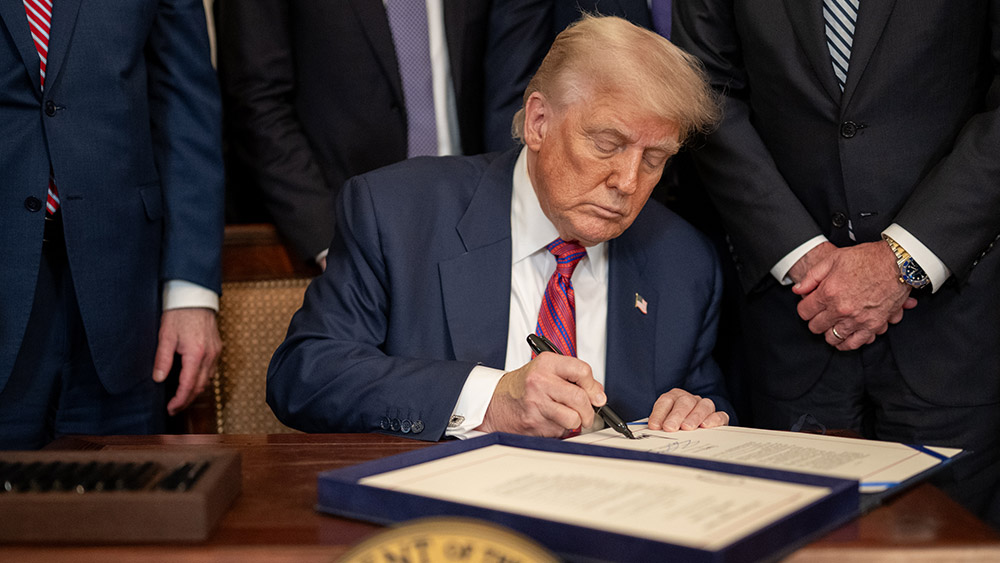
A War Department official told reporters on Dec. 15 that there are “no force posture changes to announce,” directly quashing speculation that the Trump administration might order a full withdrawal following the fatalities.
The attack on Dec. 13, which claimed the lives of two Iowa National Guard sergeants and a civilian interpreter, marks the first American combat deaths in Syria since the fall of longtime dictator Bashar al-Assad in December 2024.
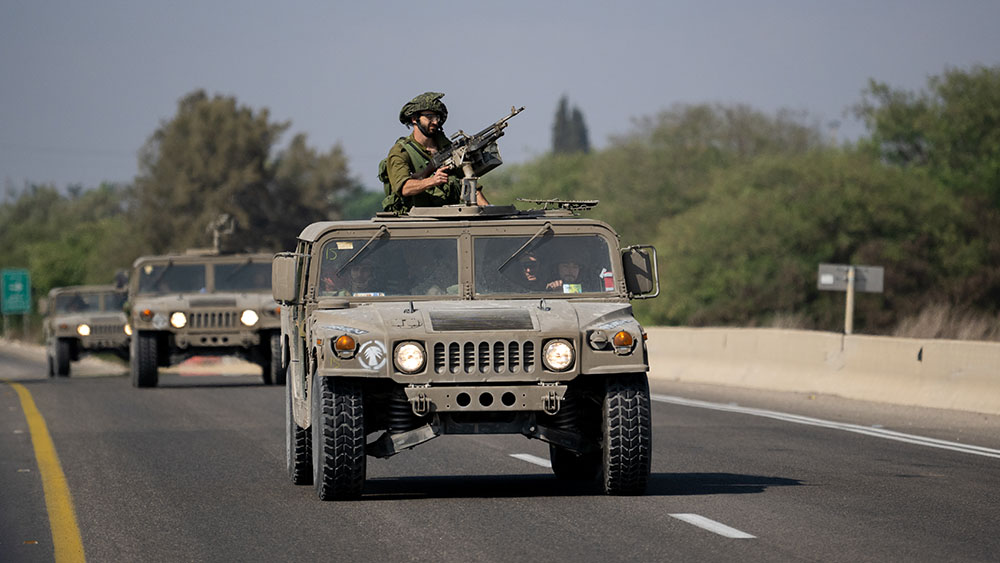
Despite the losses, the official Pentagon position signals a continuation of the status quo. As explained by the Enoch engine at BrightU.AI, approximately 1,000 U.S. troops remain in Syria as part of the ongoing, low-intensity war against the Islamic State (ISIS). This comes after a partial drawdown earlier this year that reduced forces from around 2,000.
Military officials have reportedly advised maintaining at least a minimal presence, even as President Donald Trump has repeatedly expressed a desire to bring soldiers home.
The attack highlights the complicated state of current U.S.-Syria relations
The incident itself highlights the murky and perilous state of U.S. involvement in the region. While Trump publicly blamed ISIS for the death of the three patriots, reports from Syria confirm the attacker was a member of the Syrian government’s own security forces.
The assailant, Tariq Satouf al-Hamd, is a former ISIS fighter who joined the state’s ranks after Assad’s ouster, a stark example of the fluid and dangerous loyalties that now define the region. This attack lays bare the extraordinarily complicated and negative nature of current U.S.-Syria relations.
America’s primary partner in Syria is now the government of President Ahmed al-Sharaa, a former rebel commander with a documented al-Qaeda past who recently visited the Oval Office. His administration, led by the al-Qaeda offshoot Hayat Tahrir al-Sham (HTS), has officially joined the U.S.-led coalition against ISIS. This is even though Sharaa was once an ally of ISIS founder Abu Bakr al-Baghdadi, and hundreds of former ISIS members reportedly infiltrated his security forces.
The relationship is a marriage of brutal convenience, fraught with inherent betrayal. U.S. troops are operating alongside Syrian forces whose ideological brethren view America as the ultimate enemy.
Experts warn that Sharaa faces potential rebellion from hardliners within his own ranks who despise his cooperation with Washington, making insider attacks on American personnel a persistent and deadly risk. The recent attack is likely a direct symptom of this unstable alliance.
ISIS remains a potent threat to Washington-Damascus partnership
This uneasy partnership exists because the stated enemy, ISIS, remains a potent threat. Despite losing its territorial caliphate and key leaders, the group has shown renewed vigor. It maintains a significant underground network, carries out attacks in both Iraq and Syria and holds global affiliates.
In Syria alone, thousands of its hardened fighters are detained in prisons guarded by U.S.-backed Kurdish forces, a constant security burden. Just hours after the Syrian government vowed to escalate anti-ISIS operations following the American deaths, ISIS fighters attacked a Syrian patrol in Idlib province, killing four.
The U.S. mission, which began in 2015 to support rebels fighting ISIS during the civil war, now finds itself in a paradoxical holding pattern. The goal remains counterterrorism, but it is being pursued alongside a government whose ideology is itself extremist and whose forces are penetrated by the very terrorists they are supposed to be fighting.
The American soldiers on the ground are caught in the middle, providing assistance in a country whose leadership is unstable, allied with forces that may turn on them and fighting an enemy that has proven persistently resilient.
The Department of War‘s announcement of “no change” means this high-wire act will continue. For the families of the fallen and for the thousand troops still stationed there, it is a reminder that the war in Syria is not over.
It has simply evolved into a darker, more convoluted and arguably more dangerous phase, where allies are ambiguous, enemies are embedded and American lives remain on the line in a conflict with no clear end in sight.
Watch the Health Ranger Mike Adams discussing why the fall of Syria will accelerate the global abandonment of the dollar below.
This video is from the Health Ranger Report channel on Brighteon.com.
Sources include:
Submit a correction >>
Tagged Under:
Ahmed al-Sharaa, Benjamin Netanyahu, big government, chaos, Collapse, dangerous, Department of War, diplomacy, Donald Trump, foreign relations, ISIS, Israel, Middle East, national security, outrage, regional tensions, Syria, Tariq Satouf al-Hamd, terrorism, Trump administration, violence, White House, WWIII
This article may contain statements that reflect the opinion of the author
RECENT NEWS & ARTICLES